Before you go
Cholitas show: altitude and cold
How high La Paz and El Alto are, what altitude does to visitors, when to schedule the show in your trip, what to wear and what to carry on the night.
Reserve a seat at the ring ↗How high you are
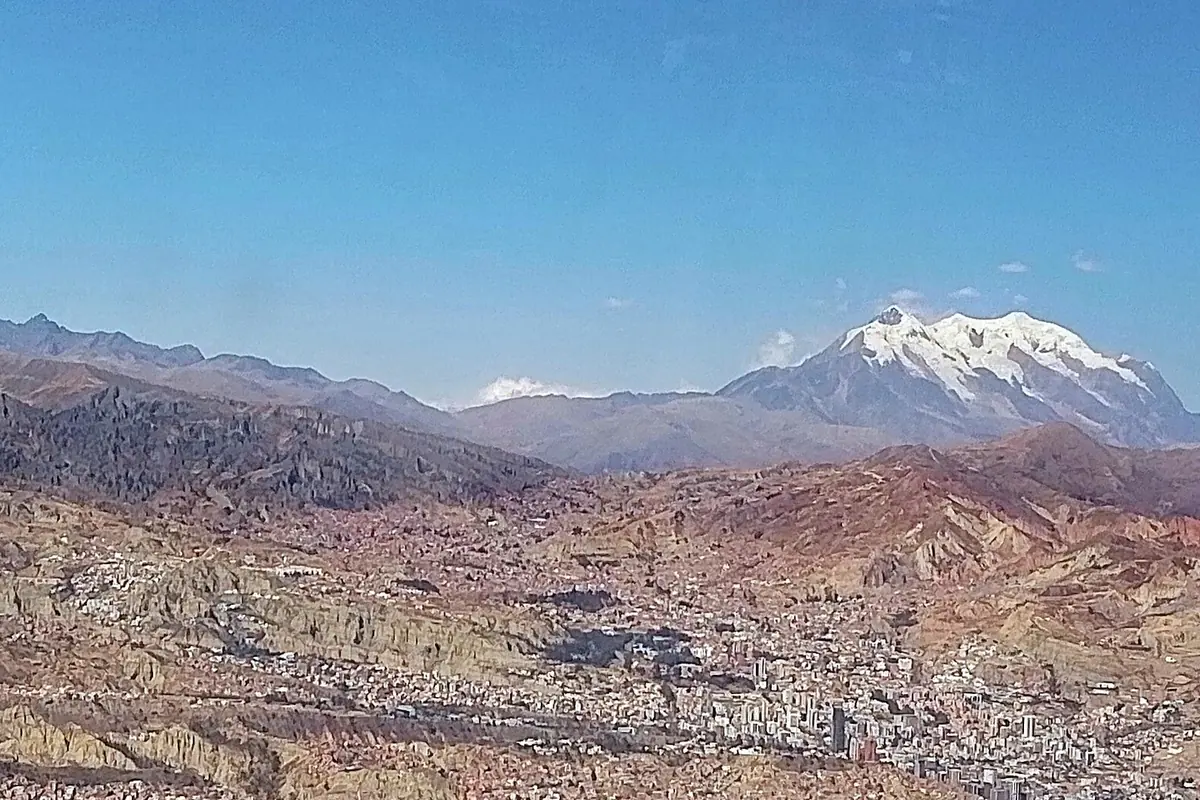
La Paz lies at roughly 3,650 metres above sea level. El Alto, where the wrestling is held, averages around 4,000 metres and rises higher in places. Both are far above the point at which most visitors start to feel the effects of thin air. If you arrive from sea level, even a short walk uphill can leave you short of breath. This matters for the show because the outing takes you up to El Alto, the high point of an already high trip.
What altitude sickness is
The NHS says altitude sickness can occur at heights usually above 2,500 metres, and that La Paz is one of the places where it happens. Risk is higher if you go up quickly. Symptoms usually start six to ten hours after reaching altitude, and they include headache, loss of appetite, nausea, tiredness, dizziness and difficulty sleeping. Most cases are mild and improve with rest in one to three days. Severe symptoms need urgent medical attention, so do not shrug them off, and never push on if someone in the group looks unwell.
Where to put the show in your trip
The simplest protection is time. After a flight that lands you at high altitude, the NHS recommends a day of rest before climbing further, and it warns against going from under 1,200 metres to over 3,500 in a single day. Put the show on your second evening in La Paz at the earliest, and later if your plans allow. If you come up from lower country elsewhere in Bolivia, the same advice applies. Cancelling is free up to 24 hours ahead when you book through GetYourGuide, so moving the day costs nothing.
On the day
The NHS advises drinking enough water and not drinking alcohol while you adjust to high altitude. Take it slowly. The booking includes a soft drink and popcorn, and extra food and drink cost extra, so the sensible choice is water or a soft drink. Tell the host if you feel unwell, and tell your companions too. Sit down, rest and do not climb further until you feel better.
When to get help
Seek medical help at once if someone has severe symptoms or feels very unwell, confusion, balance trouble, breathlessness at rest, or a cough with frothy or bloody spit. Blue or grey lips, skin or nails, and extreme drowsiness, are also warning signs. In those cases the NHS says to go down by around 300 to 1,000 metres straight away if you can. If you have had altitude sickness before, or are going up quickly, speak to a doctor or travel clinic before you leave home, because preventive medicine may be prescribed.
Dress for El Alto
Once the sun sets El Alto turns colder than central La Paz, and some venues are chilly indoors too. Wear warm layers, a jacket and long trousers, and take a scarf and gloves. The booking lists warm clothing as the first item to bring. You do not need smart clothes: nobody dresses up for the ring. Choose comfortable shoes over smart ones. If you run cold, put an extra layer in the bag.
Cash, phone and the ride home
Bring cash. Extra food and drink, tips for the wrestlers or the host, and a taxi after the activity are not included in the booking. The operator uses WhatsApp to send the digital guide and updates, so a charged phone with a working number matters. If you must leave early, taxis can take you to your destination for an extra payment. If you have a night bus out of La Paz, tell the operator in advance, because a drop-off near the bus terminal may be possible when the day's schedule allows.
Safety after dark
The World Travel Guide advises that El Alto is not the safest place to explore after dark, especially alone, and that is one reason to book an organised evening. Stay with the group for the transport, keep your valuables close, and do not wander off once the show ends. The return is by private bus to central La Paz. Plan the rest of your night there, not in El Alto.
Sources